Laser hair removal is one of the most popular treatments for reducing unwanted hair and achieving smoother skin for longer. It is suitable for many areas of the face and body and can help reduce shaving irritation, ingrown hairs and repeated waxing appointments.
At Skin & Aesthetics by Haleema, laser treatments begin with a consultation and patch test to assess suitability and ensure your skin responds safely before treatment.
How Does Laser Hair Removal Work?
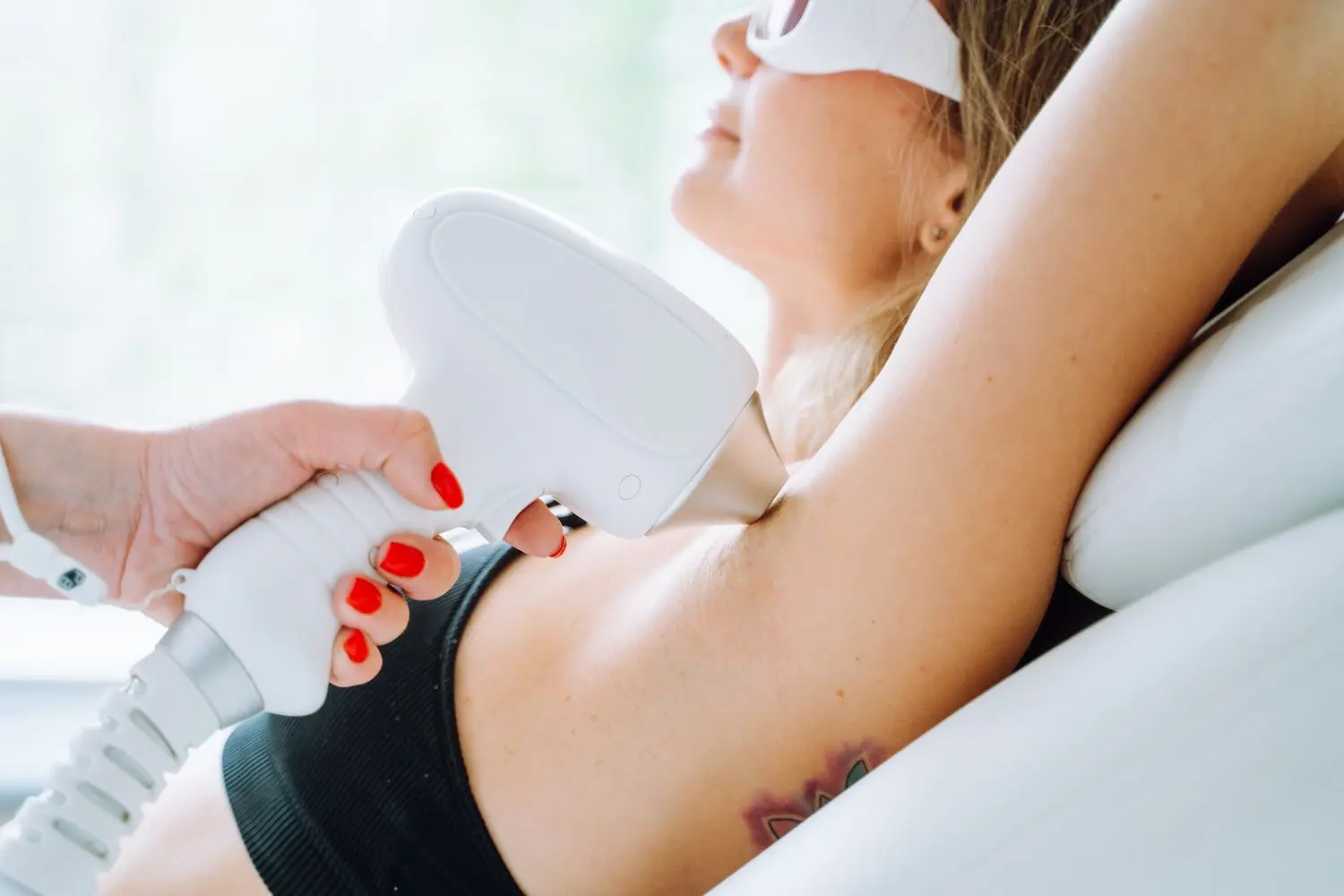
Laser hair removal uses light energy to target pigment within the hair follicle. This energy helps damage the follicle and reduce future hair growth over a course of treatments.
Because hair grows in different cycles, multiple sessions are needed. Most clients require a course of treatments, followed by occasional maintenance sessions depending on hair growth, hormones and treatment area.
Why Is a Patch Test Important?
A patch test is an essential safety step before laser hair removal. It helps assess how your skin responds to the laser and allows the practitioner to choose suitable settings for your skin tone and hair type.
This is especially important for clients with darker skin tones, sensitive skin, recent tanning, or a history of pigmentation.
What Areas Can Be Treated?
Laser hair removal can commonly treat areas such as:
- Face
- Underarms
- Arms
- Legs
- Bikini line
- Back
- Chest
- Stomach
Suitability depends on skin tone, hair colour, hair thickness and medical history.
How Should You Prepare?
Before laser hair removal, you will usually be advised to avoid waxing, plucking, sun exposure and fake tan. The treatment area is normally shaved before your appointment so the laser can target the follicle effectively.
After treatment, mild redness or sensitivity may occur temporarily. SPF and aftercare guidance are important, especially for exposed areas.
Is Laser Hair Removal Right for You?
Laser hair removal is ideal for clients looking for long-term hair reduction and smoother skin. However, it is not suitable for everyone, which is why consultation and patch testing are required before starting your course.